The Soil Health Plan: How We’re Bringing Our Fields Back to Life
Why Soil Health Comes First
Healthy soil is the foundation of everything we want to achieve at Wish You Were Here Farm. When soil is rich in organic matter, it behaves like a sponge that soaks up heavy rain and holds moisture through dry weeks. It’s also a pantry that stores nutrients and releases them steadily to crops, and a neighbourhood for microbes, fungi, and insects that keep plants thriving. If we fix the soil first, the whole farm will work better—and the food we provide will be healthier and richer in nutrients for people. That’s why soil regeneration is the first and largest investment at Wish You Were Here Farm.
What We’re Aiming to Change
Across all fields we want to:
- Increase soil organic matter and build a deeper layer of dark, healthy topsoil
- Help water soak in and stay in the root zone
- Keep nutrients on the farm instead of washing away
- Reduce hard, compacted soil so plant roots can grow deeper
- Build soils that are more self-sufficient and need fewer outside inputs over time (like compost and soil amendments)
Our Plan to Improve Soil Health
Compost
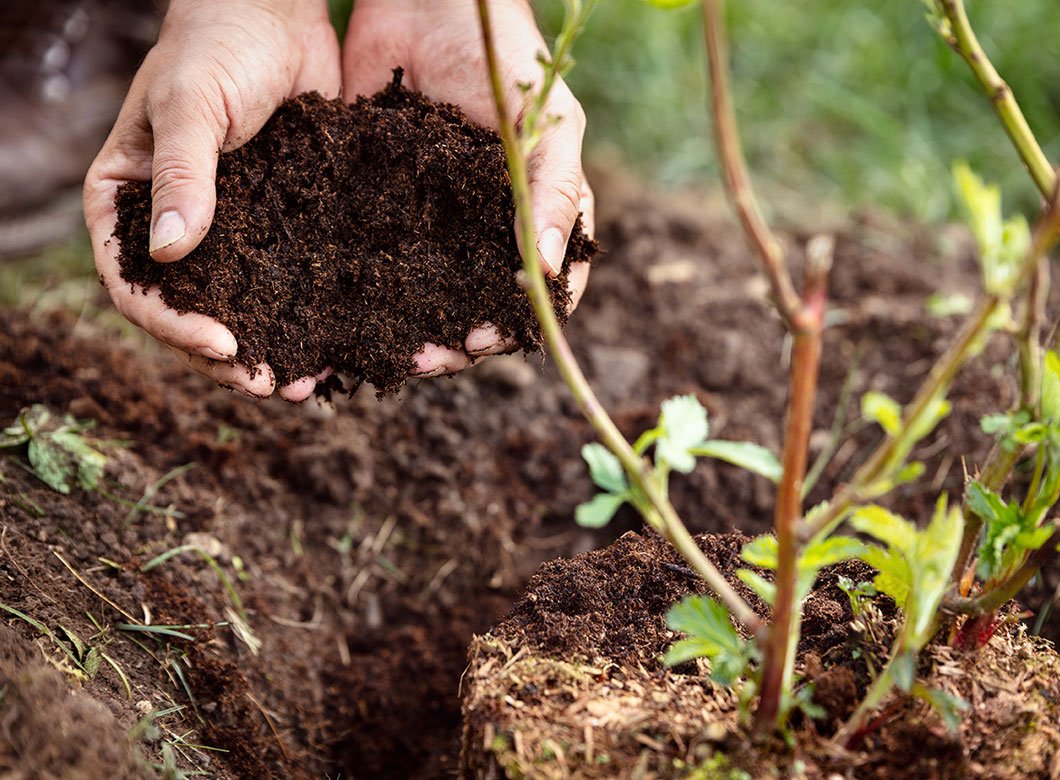
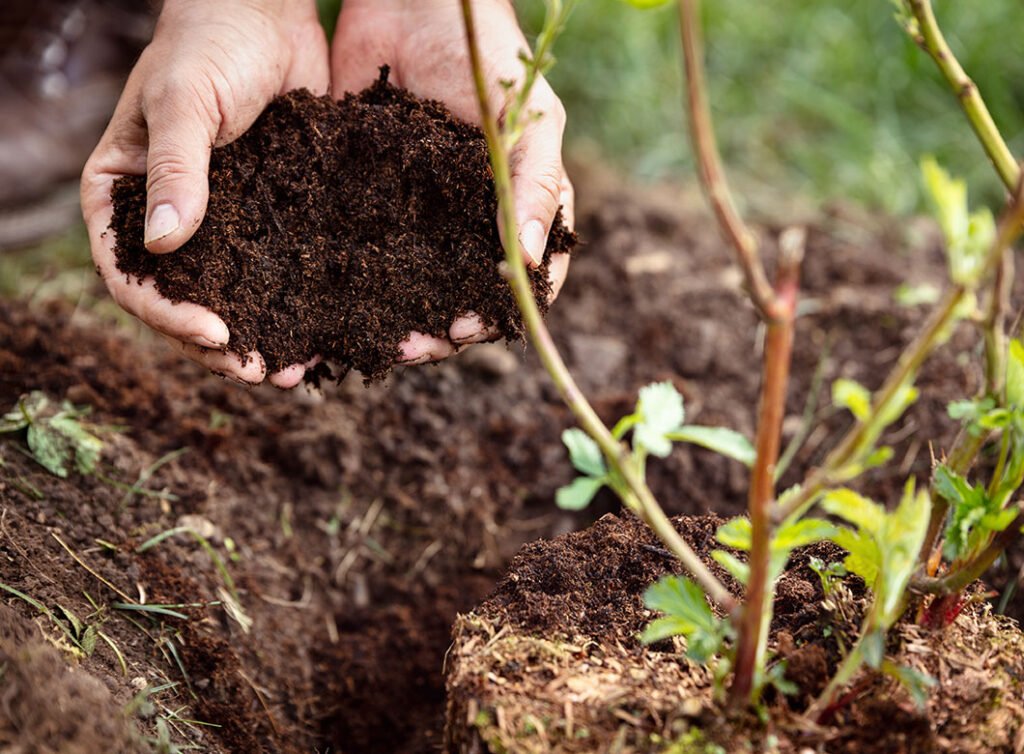
We’re going to kick-start soil biology by adding finished compost (about 2 cubic yards per acre to start), sourced from The Glen Road Organics. This will introduce beneficial microbes into our degraded soil and add stable organic matter that improves structure.
We’re also investing in a compost sprayer. Compost sprayers apply compost in a liquid form—typically as a compost extract or compost tea—using water to carry biology and fine organic particles evenly across the field. The goal isn’t to “feed the crop” in the short term as much as it is to inoculate the soil with beneficial organisms and jump-start the soil food web.
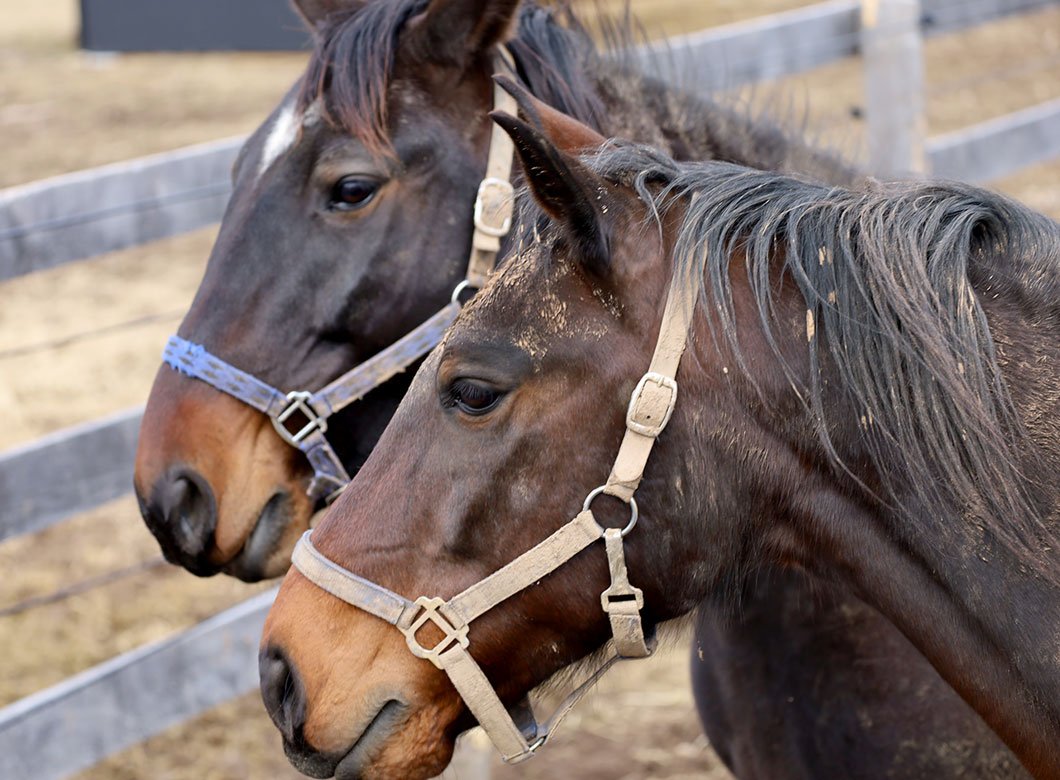
We’ll begin making our own compost on-farm after we take a workshop with The Glen Road Organics. We’re lucky because we have horses on the farm, and they will provide critical inputs for our own compost.
Cover Crops
We’ll be planting a spring cover crop over our entire 30 acres of land that needs restoration. Cover crops will open channels in hard soil for water infiltration, add nitrogen, suppress weeds, and protect the surface from runoff. We’ll cut the spring cover crop, leaving the roots in the soil to decompose and feed our microbiology, and use the cut material in our compost. We’ll plant a fall cover crop into the remains of the spring crop and keep it growing until the following spring, when we’ll plant our first vegetables and flowers.
We’ll also use straw and wood-chip mulches in beds, paths, and around young trees to hold moisture, shade the soil, and feed it as the mulch breaks down.
Minimal Soil Disturbance
To restore our soil, it’s essential that we don’t break up the webs of microbes, fungal networks, and organisms that make soil function. To that end, we will till one more time to remove the corn currently in the fields. After that, we will disturb the soil as little as possible. Soil health is one area where less human intervention is truly valuable.
Trees, Hedgerows, and Habitat
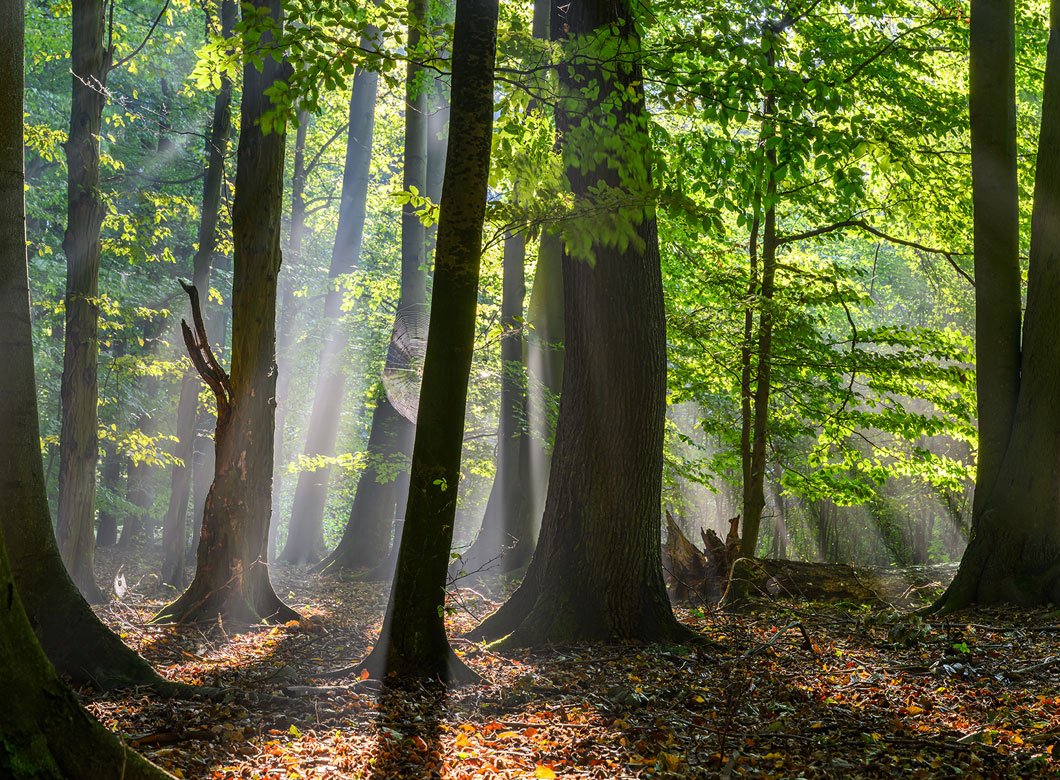
We’ll be planting hedgerows and buffer strips between fields with native trees and shrubs. These will protect our organic fields from pesticide drift, provide windbreaks, anchor soil, and—very important to us—create more habitat for birds and insects. We’ll be planting cedars, spruce, and dogwood, as well as serviceberry, nannyberry, cranberries, and sumac.
How We’ll Measure Soil Health Improvements
We’ll test soil regularly through the growing season, with a few dedicated checks each year for soil carbon and organic matter. After heavy rains, we’ll do simple infiltration checks to see how quickly water enters the ground. Compaction will be tracked with a handheld probe to watch rooting depth improve. We’ll keep before-and-after photos and install wildlife cameras to document ground cover and habitat returning along field edges and buffers.
Why Improving Soil Health is Worth the Investment
Building soil will pay back on every front. As soil organic matter increases, we’ll be more resilient to severe weather like droughts and storms. We’ll also be able to buy less compost and fewer inputs over time, which will help our bottom line. Most importantly, healthy soil grows better-tasting, nutrient-dense food—which will allow us to proudly supply top-quality products to our community and generate sustainable revenue for our farm.