


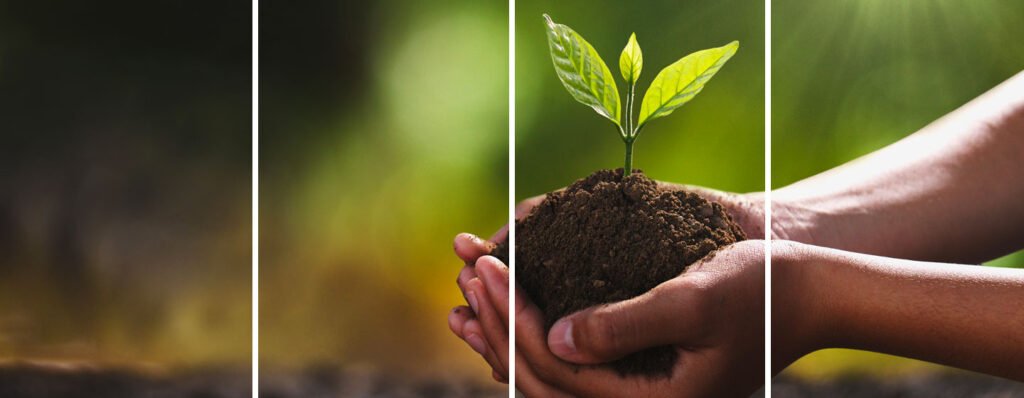
We are regenerating land to help heal the earth and the communities that depend on it. Through strategies like regenerative farming, reforestation, and eco- and agri-tourism, we restore degraded land so that food, wildlife, and people can all flourish.
01
The Carbon Problem

Today, the level of carbon dioxide (CO2) in our atmosphere is over 420 parts per million, up from about 280 parts per million in the late 1800s. More CO2 acts like a blanket around the planet, trapping heat and raising temperatures. As the world warms, we’re seeing more extreme weather: heavier rains and floods, more intense heat waves, longer droughts, and wildfires that are hotter and more destructive. This changing weather is driven by carbon in the wrong place—in the air instead of stored in the ground and in living ecosystems.
02
Soil is the Solution

The good news is that the tools we need already exist under our feet. Healthy soils, thriving forests, and restored grasslands can pull carbon out of the atmosphere and store it underground in roots, microbial life, and organic matter. Practices like regenerative farming and reforestation increase plant growth and rebuild soil carbon instead of depleting it. When we restore land in this way, we don’t just draw down CO2—we also improve water cycles, reduce erosion and flooding, support biodiversity, and help farms and communities become more resilient to extreme weather.
03
What We’re Doing About It

Vidaterra exists to help put carbon back where it belongs—into living soils and natural ecosystems. We restore degraded land through regenerative farming, focusing on practices that rebuild soil health while still producing food. We plant trees and design ecosystems that combine crops, pasture, and woodland to capture more carbon over the long term. Our aim is to make it easier for landholders to participate in climate solutions—by turning their farms and forests into powerful, measurable carbon sinks.
our Work
Introducing Wish You Were Here Farm, Where Our Regeneration Journey Begins
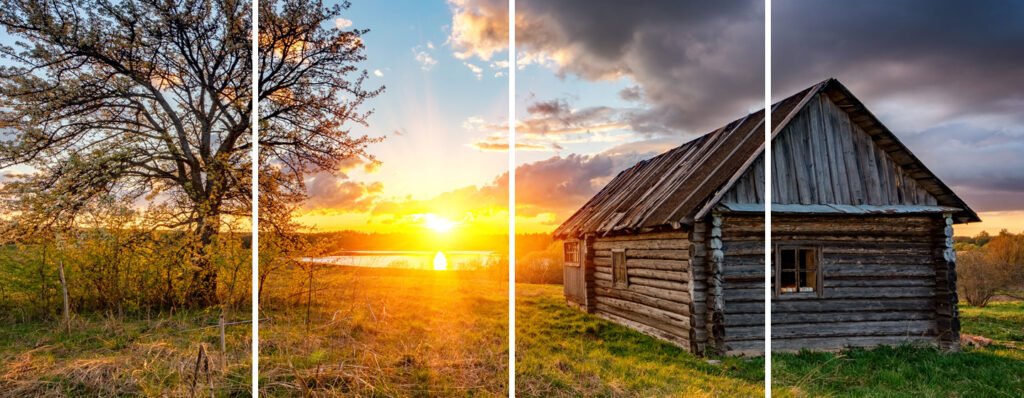
From used up soil to living ecosystems, Wish You Were Here Farm is our blueprint for what regeneration can look like in the real world.
Explore The Project
