A Second Chapter for Retired Racehorses at Wish You Were Here Farm
Life After Racing
Racehorses are athletes with relatively short careers compared to their lifespan. When a horse retires—whether due to age, injury, or simply not being competitive—what matters next is racehorse aftercare: a safe transition into a new routine, a new job (if they’re being retrained), or a calm retirement as a companion horse. That transition isn’t always straightforward. Many racehorses have spent years in a high-structure environment, and they need time, consistency, and thoughtful handling to settle into a different way of living. The best outcomes happen when people stay responsible for the horse beyond the finish line and help ensure a good next home.
Woody’s Story
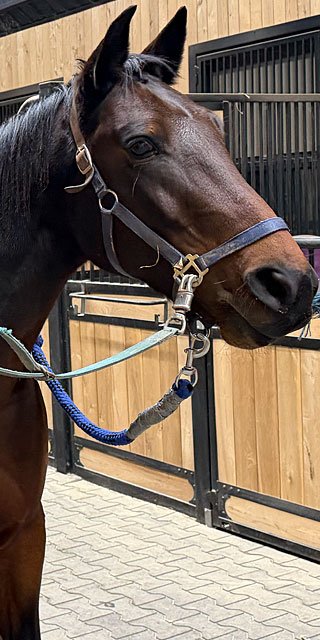
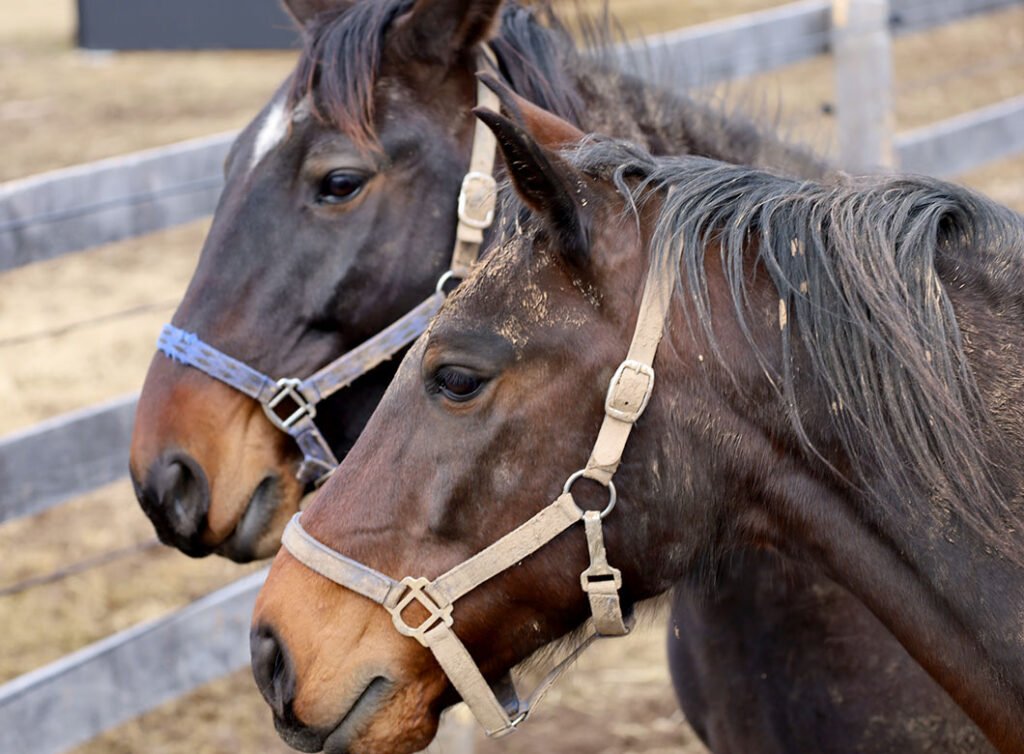
Woody, registered as Regalwood, has a rare kind of rescue story: he came back to the place where he was born.
Years ago, Denise Kunz purchased a Standardbred mare named Winterwood Beauty. The mare was in foal, and Denise brought her home. In March 2010, that decision delivered Woody: a curious, friendly colt born at Wish You Were Here Farm.
Woody stayed with Denise through his early life, but as he reached racing age, he entered the standard path for many horses bred for the track: he was sold, sent into training, and began moving through the racing world. Over time, that world can carry a horse far from where they started. Locations change, barns change, ownership changes, and it becomes harder for early connections to keep track.
Denise never stopped trying. She followed Woody’s trail as best she could and kept reaching out whenever a new connection appeared. Eventually, as Woody’s racing chapter was winding down, an opportunity opened: Denise was contacted and asked if she would take him as a pet. She said yes immediately.
In December 2016, Woody made the trip back to Ontario and stepped off the trailer into a life that looked nothing like the track. No schedule built around training sets. No shipping from barn to barn. Just turnout, routine care, and the calm consistency that helps a horse settle. It was a homecoming in the most literal sense: a horse returning to where his story began, because someone cared enough to keep the thread unbroken.
Today, Woody’s job is simple. He’s safe, loved, and retired—exactly what aftercare is supposed to achieve.
Trooper’s Story
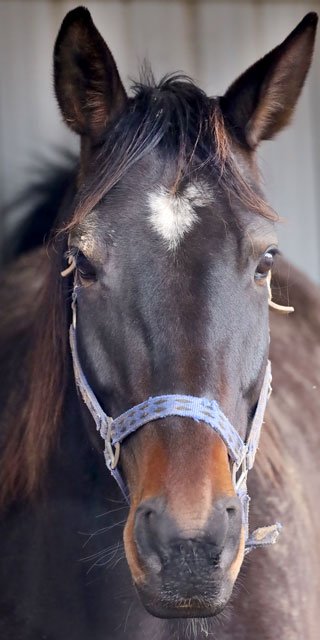
Trooper’s story is a little different from Woody’s. Twin B Trooper was bred at a large, well-respected Standardbred breeding farm in Embro, Ontario—coincidentally, the same farm that once owned Woody’s mother before Denise purchased her. Trooper was exceptionally well bred, the kind of young horse that, under normal circumstances, would have been headed toward a serious racing career.
But from the moment he was born, Trooper faced challenges most foals never do. He arrived with significant medical issues and needed immediate, intensive care. The people around him went to extraordinary lengths to save his life—emergency intervention, a rapid trip to specialized veterinary care, and weeks of patient, committed follow-through. He pulled through, but those early complications changed his path. Despite later efforts, he wasn’t able to develop into a racehorse.
That could have been the end of his story. Instead, it became the beginning of his second chapter.
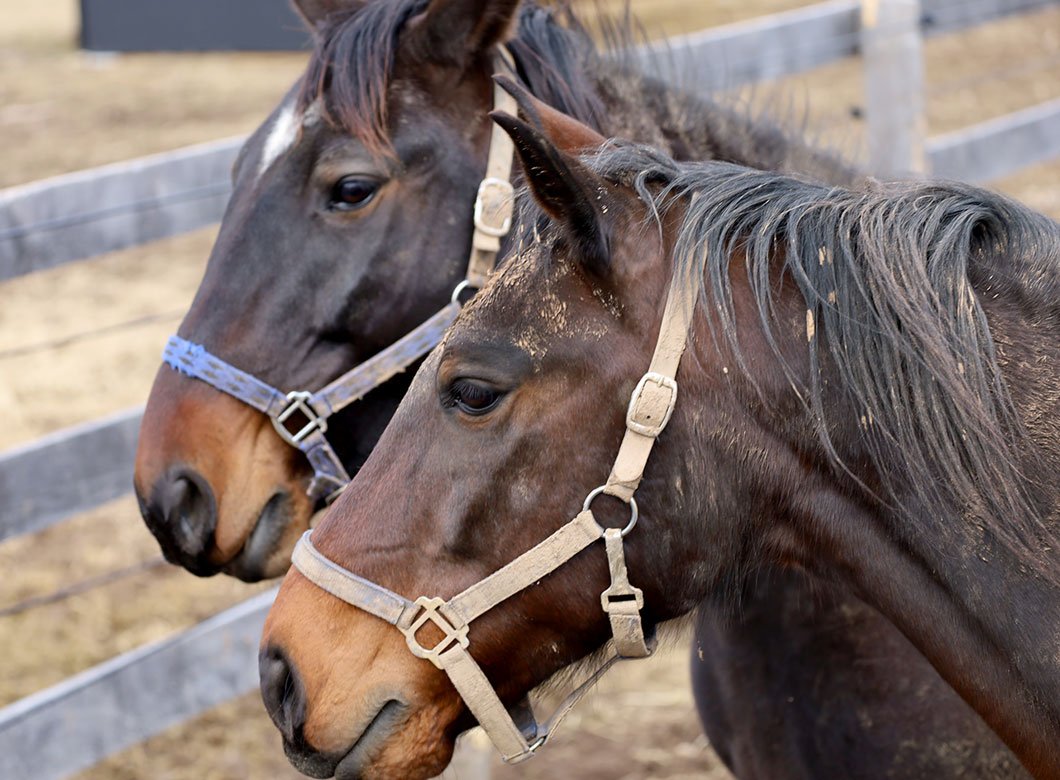
At age three, Trooper was donated to the Ontario Standardbred Adoption Society (OSAS), an organization that helps Standardbreds transition out of the racing world and into safe, well-matched homes. Denise has volunteered with OSAS for years, and when a horse she had been fostering passed away suddenly, Trooper came to her care in 2023—both to give him a proper home and to keep Woody company.
Trooper is one of the very lucky ones. He didn’t just survive a difficult start—he found a steady, lasting home and a role that matters: a companion, a presence, and part of the daily life of the farm.
Why Animals Belong on a Regenerative Farm
At Wish You Were Here Farm, the horse rescue isn’t separate from the farm—it’s part of the same value system. Rescue animals remind us that stewardship is about care over time: doing the consistent work that creates safety, stability, and recovery. And it only works because of people like Denise Kunz—steady, patient, and deeply committed to doing right by animals. We’re grateful for the care she gives these horses every day, and for the difference she’s made in giving Woody and Trooper a safe, lasting home.
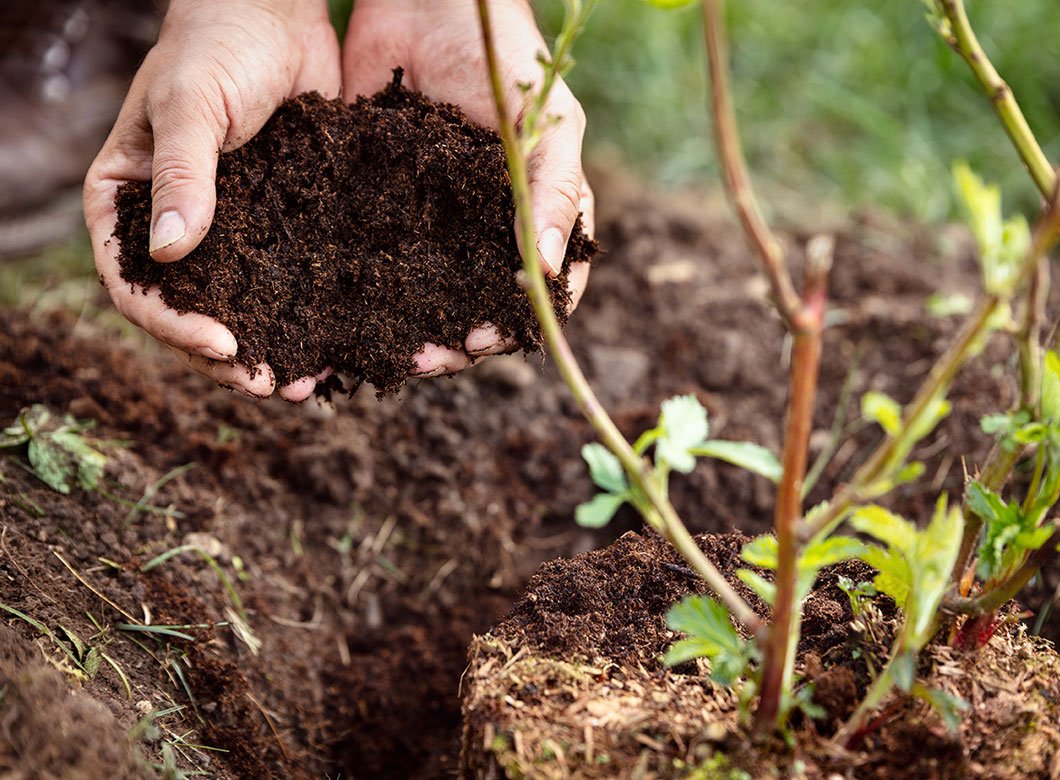
There’s also a practical connection to soil health. Horses produce manure, and when it’s composted properly, it becomes a valuable soil-building input. Compost supports soil structure and biology, helping farms reduce reliance on outside inputs over time. The rescue horses at Wish You Were Here Farm aren’t “inputs,” but their presence naturally ties into a circular on-farm system where waste becomes fertility and care becomes regeneration—of animals and of land.
Ontario Standardbred Adoption Society
The Ontario Standardbred Adoption Society (OSAS) helps retired and non-racing Standardbreds find safe, appropriate homes—and if you’re curious about adopting a Standardbred, contact OSAS to learn more.