Carbon Drawdown Explained: Why Farmland Can be Part of the Climate Solution
One of our major goals at Wish You Were Here Farm is to contribute to carbon drawdown as we build our farm business. As we’ve been developing our farm plan—what we’ll grow, how we’ll manage the land, and what infrastructure we’ll invest in—we’ve also been asking a bigger question: beyond producing food, what can a farm do to meaningfully impact climate change?
The Answer Starts with Carbon Drawdown
Carbon drawdown means removing carbon dioxide (CO2) from the atmosphere and storing it for a meaningful amount of time. Carbon drawdown on farms is also called carbon sequestration—storing more carbon mainly in two places: woody biomass (trees, shrubs, long-lived perennials) and soil organic matter. This matters because CO2 is the biggest driver of long-term global warming, and storing more carbon in landscapes is one of the few climate solutions that can be implemented today and that also improves the land itself.
Why Farmland Is Built for Carbon Sequestration
Farms have three big advantages when it comes to carbon drawdown.
- Plants are carbon pumps. Through photosynthesis, plants pull CO2 out of the air and turn it into plant material—leaves, stems, roots, and sugars that feed soil life.
- Soils provide long-term storage. With the right management, a portion of that plant carbon becomes stable soil organic matter, which improves soil structure, fertility, and resilience.
- Farm practices can change quickly. Compared to planting forests or building large infrastructure projects, farms can shift management in a season: plant more cover crops, disturb less soil, plant more trees, or invest in perennial crops (plants that come back every year).
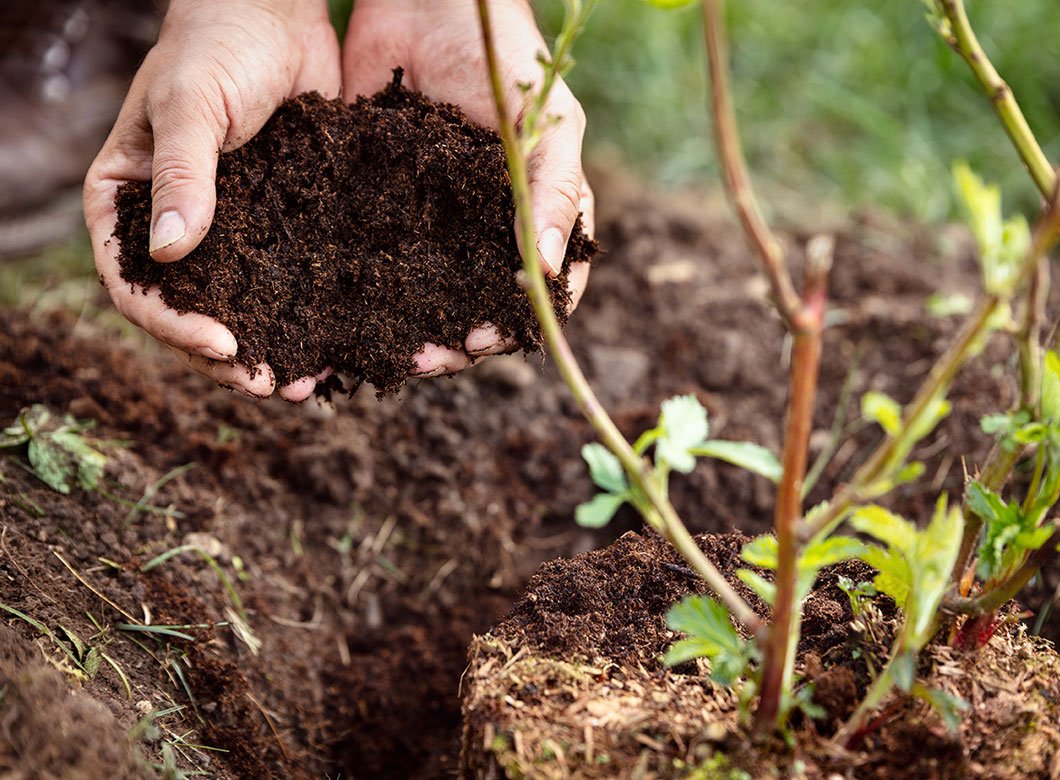
At Wish You Were Here Farm, our baseline soil organic matter is about 2.5% today. Our goal is to move that number toward 7% over time by keeping living roots in the ground longer, disturbing soil less, and increasing perennial and tree cover.
A Ton of CO2, Made Visible
A metric ton of CO2 is hard to picture. Here are two ways to visualize it:
- A typical passenger vehicle emits about 4.6 metric tons of CO2 per year. So 1 ton of CO2 is roughly 2–3 months of emissions from one typical car.
- Burning one gallon of gasoline emits about 0.00889 metric tons of CO2. So 1 ton of CO2 is roughly 112 gallons of gasoline (about 425 litres).
Two Examples That Make It Real
These numbers are not exact—carbon outcomes depend on tree survival rates, species, weather, and management. But they help make the scale understandable.
If you plant 500 trees, what might that mean over 30 years?
Using the simple estimate of 10 kg CO2 sequestered per tree per year:
500 trees × 10 kg/year × 30 years = 150,000 kg CO2
That’s about 150 metric tons of CO2 over 30 years.
To visualize 150 tons of CO2: that’s roughly 32 car-years of emissions
(150 ÷ 4.6).
What does one acre of reforestation look like over 30 years?
Using the reforestation range of 1.1 to 7.7 tCO2 per acre per year:
Low end: 1.1 × 30 = 33 tCO2 per acre over 30 years
High end: 7.7 × 30 = 231 tCO2 per acre over 30 years
To visualize 230 tons of CO2: that’s roughly 50 car-years of emissions
(230 ÷ 4.6).
What Carbon Sequestration Looks Like on a Real Farm
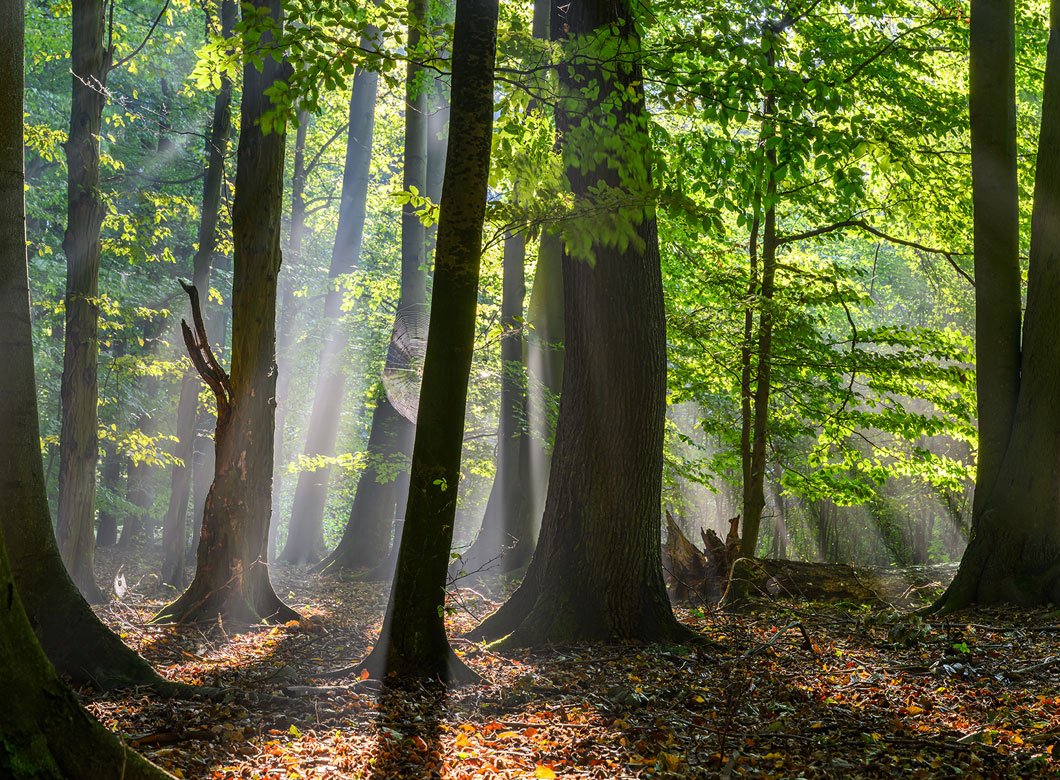
Carbon sequestration can sound abstract, but on a farm it comes down to practical, visible choices: keep living roots in the ground longer, add more perennial cover, plant trees where they protect the land, and disturb soil less. At Wish You Were Here Farm, that looks like cover cropping our fields while adding orchard trees, native trees in buffers and fencerows, a food forest, and reforesting as much as we can. The climate benefit matters, but so do the co-benefits that show up right away—better water infiltration, less erosion, healthier soil, and a more resilient farm in extreme weather.
As we implement our business plan at Wish You Were Here Farm, we’ll track our carbon drawdown and share it transparently: our assumptions, our measurement approach, and what we’re learning as the land changes. Our goal is to make carbon drawdown understandable and measurable—so it’s not just a concept, but something you can see taking shape in a working landscape.