
Regenerative Farming: Rooted in Living Soil
Soil is often treated as “dirt”—a dead medium that holds up plants. In reality, healthy soil is a living ecosystem made of minerals, water, air, organic matter, fungi, bacteria, insects, and plant roots. When plants photosynthesize, they pull CO2 from the air and turn it into sugars. Some of those sugars feed the plant itself, and some are sent down to the roots and traded with soil microbes. In return, microbes supply nutrients that the plant needs. This exchange builds soil organic matter—carbon-rich material that can stay underground for years to centuries, depending on how the land is managed.
The Hidden Costs of Industrial Farming
Modern industrial agriculture breaks this natural system. Frequent plowing, leaving soil bare, monoculture crops, and heavy chemical use all speed up the loss of soil carbon. Over time, fields can lose a large share of their original carbon, becoming less fertile, more prone to erosion, and less able to hold water, resulting in floods and loss of precious topsoil. Insecticides, herbicides and chemical fertilizers combine to kill fungi, bacteria, insects and plant roots, leading to soil that is essentially devoid of life. That’s bad for farmers and bad for the climate.
Organic regenerative farming and land stewardship turn this around. There are several simple but powerful practices that a regenerative farmer follows.
01
Cover Crops
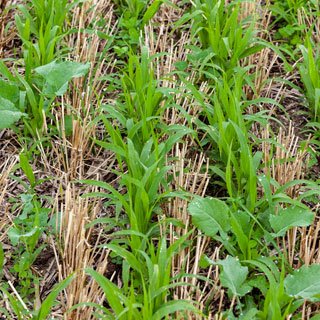
Cover crops are plants grown mainly to protect and feed the soil between cash crops. They keep the ground covered, prevent erosion, add organic matter, and can fix nutrients like nitrogen, helping the next crop grow without relying as heavily on synthetic inputs.
02
Low-to-No Tilling
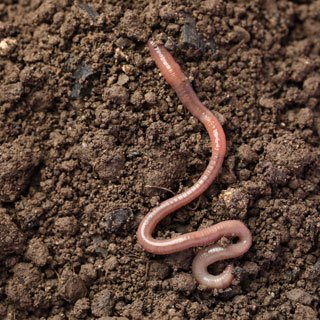
Low-to-no tilling means disturbing the soil as little as possible. By avoiding deep plowing, farmers protect soil structure, keep carbon stored underground, reduce erosion, and create a more stable home for worms, fungi, and other soil life.
03
Integrating Livestock
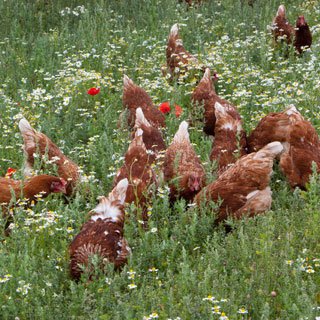
Integrating livestock brings animals back onto the land in a thoughtful way. Managed grazing lets animals move through pastures in planned rotations, which encourages grass to regrow, adds manure to the soil, and can improve pasture health—while giving animals a healthier life outdoors.
04
Organic
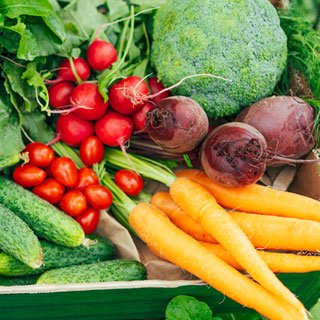
Organic farming avoids synthetic fertilizers, pesticides, and herbicides, and instead relies on crop rotations, compost, and natural pest control. This helps protect soil life, reduce pollution in waterways, and produce cleaner, more nutrient-dense food.
05
Crop Diversity

Crop diversity means growing a mix of crops instead of only one thing like corn. Crop diversity reduces pest pressure, supports pollinators like birds and bees, and decreases risk for the farmer in the case of crop failure.
06
Restoring Native plants

Planting trees in and around fields creates shade, habitat, wind protection, and deep root systems that stabilize soil. Hedgerows, pollinator strips, and protected waterways filter runoff, reduce erosion, and create corridors for birds, insects, and other wildlife.
Farming for the Future
Instead of being a source of emissions, farmland and degraded landscapes can become carbon sinks. And the benefits go far beyond carbon. Soils rich in organic matter hold more water, which reduces flooding and helps crops survive drought. They support more biodiversity, from earthworms and pollinators to birds and small mammals. They need fewer synthetic inputs to stay productive, which can reduce pollution and lower costs for farmers.
Regenerative farming is one of the most powerful, practical, and immediately available tools we have to help heal the earth. And it is a solution that farmers, landowners, and rural communities can lead.
Regenerative farming on film
Learn more with these inspiring movies that show how we can bring land back to life.
Kiss The Ground
A hopeful documentary that shows how healthy soil and regenerative farming could help restore ecosystems, support farmers, and cool a warming world.
Watch Kiss the Ground
Common Ground
The follow-up to Kiss the Ground, this film dives deeper into the farmers, families, and movements using regenerative practices to transform our food system from the inside out.
Watch Common Ground
To Which We Belong
A portrait of ranchers, farmers, and ocean stewards who are leaving conventional methods behind and embracing regenerative practices to heal their land and livelihoods.
Watch To Which We Belong
The Biggest Little Farm
A beautifully shot story of a couple who set out to build a diverse, regenerative farm from exhausted land—and discover just how complex and rewarding working with nature is.
Watch The Biggest Little Farm